Bentonite clay is often referred to in industrial mineral sectors as the "clay of a thousand uses." While to the untrained eye it looks like simple dirt, under the microscope bentonite reveals a highly crystalline, negatively charged platelet structure that makes it one of the most chemically active minerals in commercial production.
Whether it is holding metal casting molds together at 1,500°C, sealing landfills to protect public drinking water, or lifting rock cuttings out of oil wells, industrial bentonite is essential to global manufacturing.
In this overview, we cover the top industrial applications of bentonite and explain why this mineral remains irreplaceable in modern engineering.
1. Green Sand Binder in Metal Foundries
One of the largest consumers of high-grade bentonite is the foundry industry, which uses it to manufacture metal castings for automotive components, aerospace machinery, and structural hardware.
- Green Sand Casting: Sand is mixed with bentonite (typically 5% to 10%) and water. The clay coats the sand grains, binding them together to form a mold into which molten metal is poured.
- Why Bentonite? High-grade sodium bentonite provides high green strength (molds hold together when wet), dry strength (molds resist cracking as they dry), and hot strength (molds withstand the heat of molten metal).
- Thermal Endurance: Bentonite retains its crystalline structure and binding properties at extreme temperatures, ensuring a smooth surface finish and minimizing defects in casting.
2. Drilling Fluids for Geotechnical & Energy Exploration
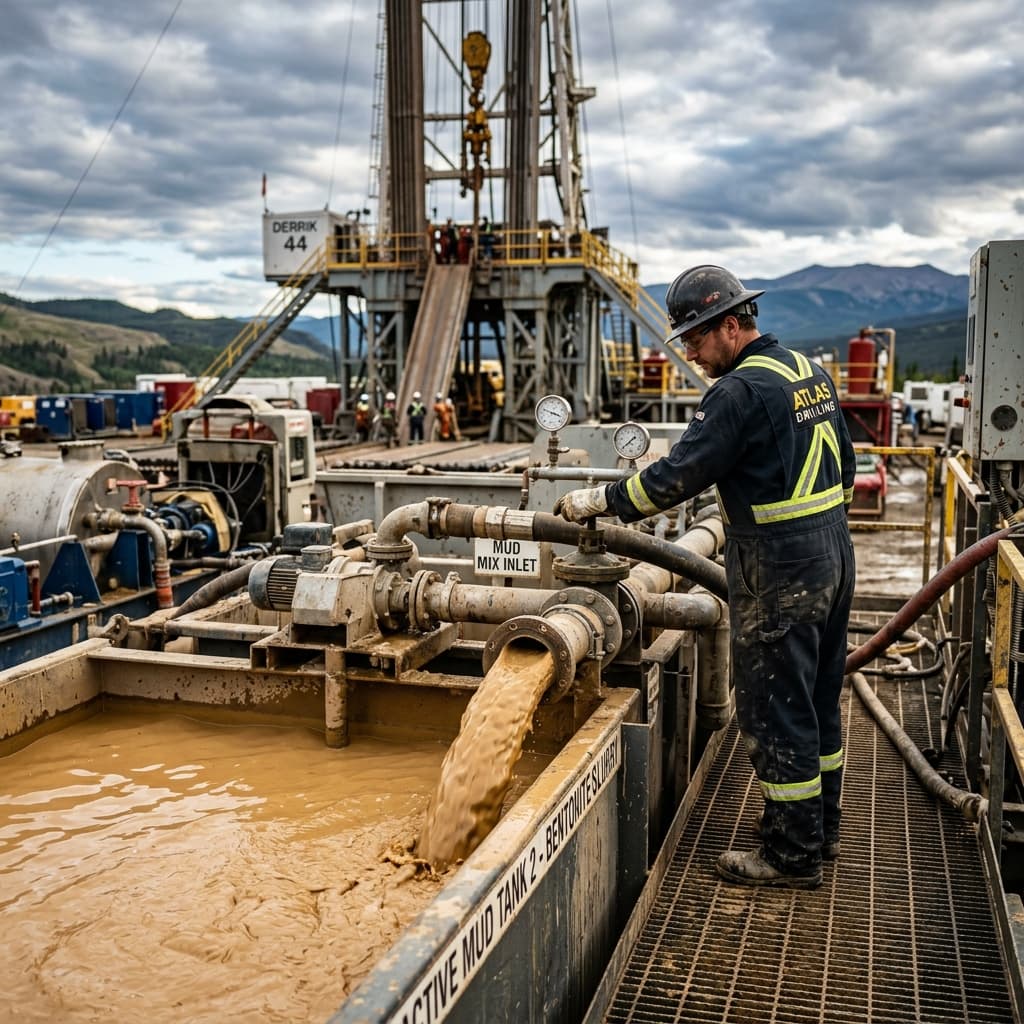
In the drilling sector, bentonite serves as the primary component in water-based drilling muds:
- Suspending Cuttings: As the drill bit cuts through rock, bentonite increases the mud's viscosity, allowing it to transport rock debris out of the deep well.
- Borehole Sealing: The flat clay platelets plaster themselves against porous rock formations, forming a thin, impermeable barrier (filter cake) that stops fluid loss and prevents wellbore cave-ins.
- Cooling & Lubricating: The mud keeps the drill head cooled and lubricated, extending tool life.
3. Civil Engineering & Infrastructure Construction
In construction, bentonite provides critical stability in underground engineering:
- Piling & Diaphragm Walls: When excavating trenches for building foundations, the void is filled with a bentonite slurry. The hydrostatic pressure of the slurry supports the trench walls, preventing soil collapse until concrete can be poured.
- Tunneling & Pipe Jacking: It acts as a lubricant for tunnel-boring shields, reducing friction between the machine and the surrounding earth.
- Geotechnical Grouting: Bentonite slurries are injected into fractured rock or soils to plug water leaks and reinforce foundations.
4. Iron Ore Pelletization (IOP)
In the steel industry, iron ore is often recovered as fine particles that are too small to be loaded directly into blast furnaces. To make them usable, these fines are rolled with bentonite into small, marble-sized spheres called pellets.
- The Binder: Bentonite is mixed with iron ore concentrate at very low ratios (0.5% to 1.0%).
- Durability: The clay acts as a binder, giving the wet pellets green strength and dry strength so they do not crumble during transport, storage, and thermal hardening.
5. Environmental Protection & Sealing
Bentonite's high swelling index and low permeability make it an excellent barrier material for containing waste and protecting water supplies:
- Landfill Liners: Layers of bentonite are used to line the bases of municipal landfills. The clay swells to form an impermeable barrier that blocks toxic runoff (leachate) from entering local groundwater.
- Geosynthetic Clay Liners (GCLs): These factory-fabricated panels sandwich bentonite between geotextiles, providing a self-sealing waterproofing system for ponds, dams, and industrial waste sites.
6. Chemical Bleaching & Edible Oil Clarification
In food processing and chemical refining, calcium bentonite is used as an adsorbent agent:
- Oil Refining: Acid-activated calcium bentonite is used to filter edible oils, palm oils, and animal fats.
- Impurities Adsorption: The clay's active surface area binds and filters out color pigments (chlorophyll, carotenoids), trace metals, and chemical impurities, improving oil clarity, taste, and shelf-life.
Sourcing Industrial Bentonite
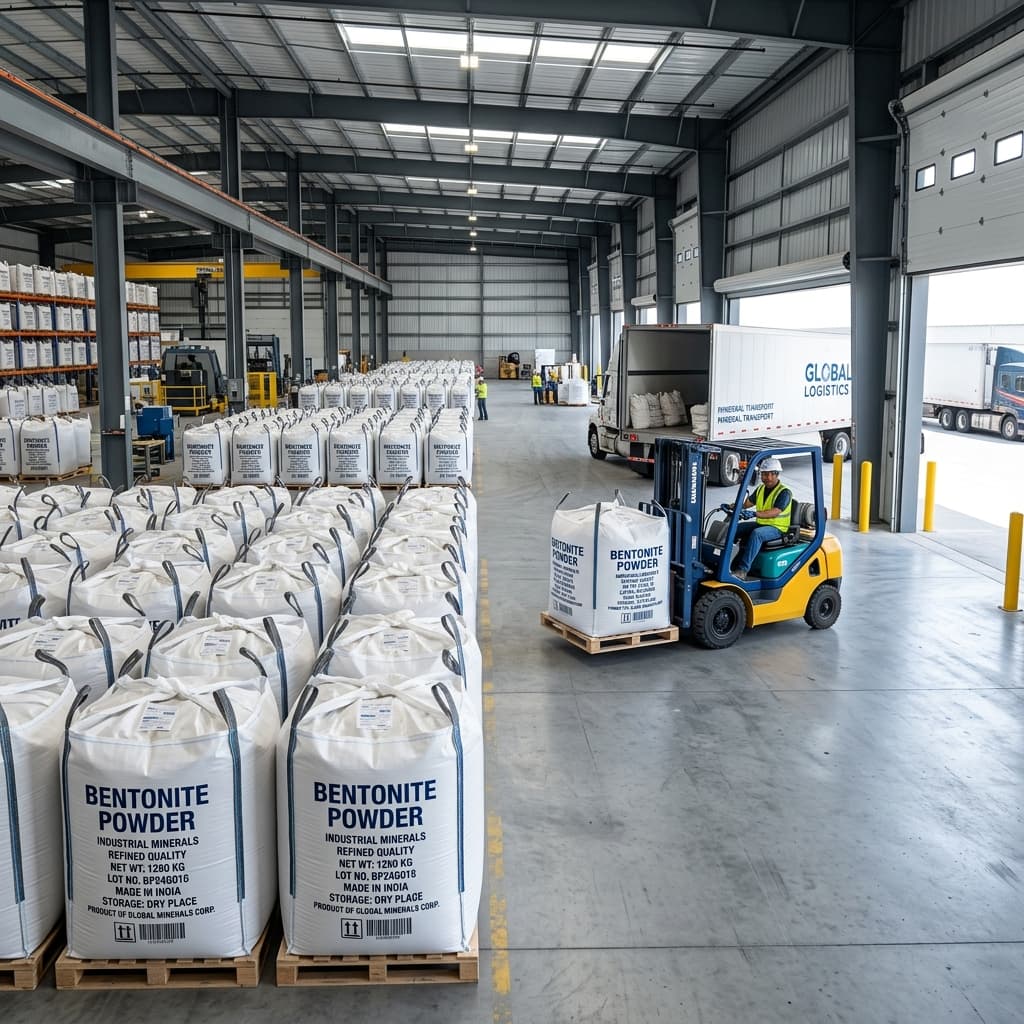
To achieve the best results, industrial operations require bentonite processed to precise rheological specifications.
At Marjaan Minerals, we specialize in manufacturing customized bentonite products for foundries, drilling, construction, and metallurgy, ensuring consistent quality and reliable global delivery.