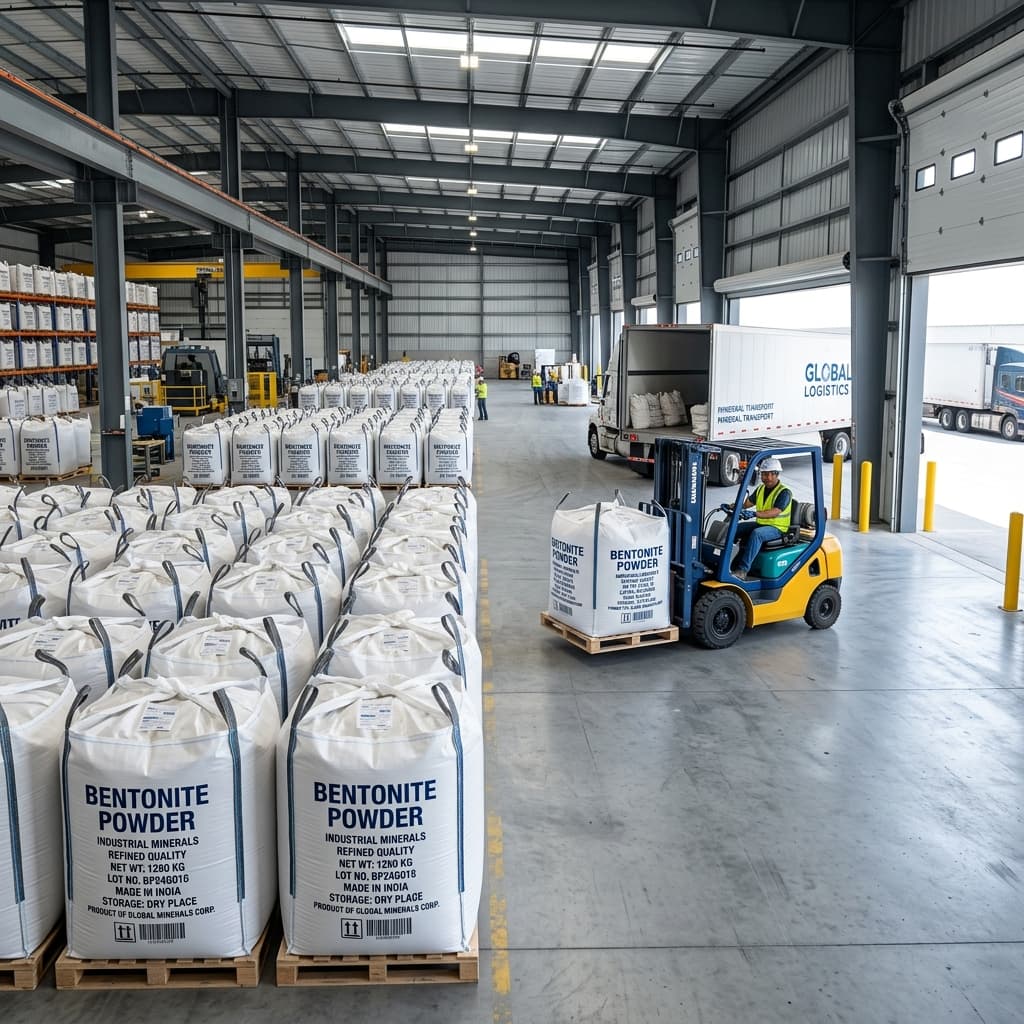

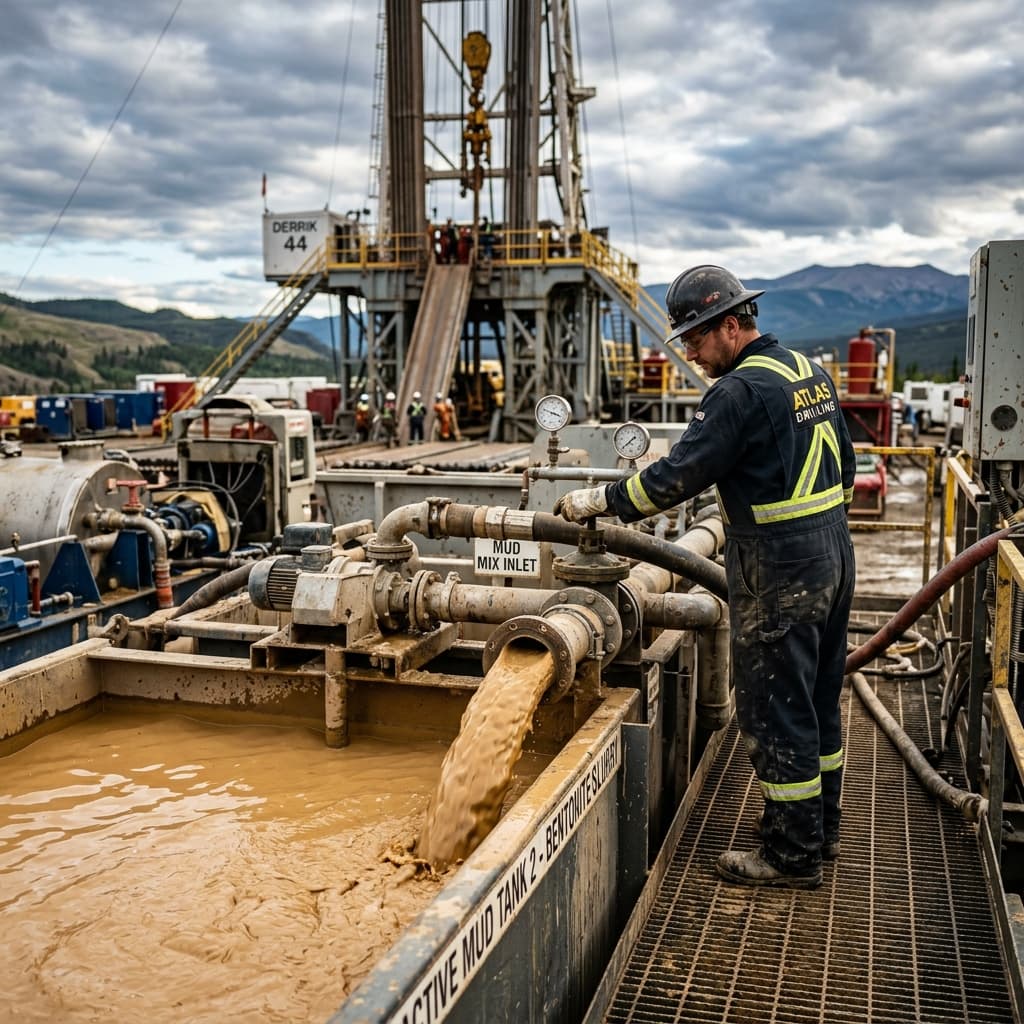
In the energy exploration sector, drilling fluids must perform under extreme pressure and temperature. If a clay mineral degrades under downhole stress, it can lead to well collapse or stuck drill pipes.
To maintain safety and performance, the oil and gas industry relies on the American Petroleum Institute's standards. Specifically, API Specification 13A (ISO 13500) regulates the materials used in drilling fluids.
This technical guide breaks down the performance parameters required for API bentonite, explains how they are measured in the laboratory, and covers the differences between Section 9 (treated) and Section 10 (untreated) specifications.
What Is API Spec 13A?
API Spec 13A is the international standard governing physical properties and testing procedures for drilling fluid materials. For bentonite, these specifications ensure that when the clay is mixed with water, it will yield sufficient viscosity to transport cuttings, control fluid loss, and prevent wear on drilling machinery.
Key API Spec 13A Performance Parameters
To meet API Spec 13A certification, bentonite must undergo five laboratory tests:
1. 600 rpm Dial Reading (Viscosity)
This test measures the shear stress of the bentonite suspension under high rotation speeds using a rotational viscometer (commonly a Fann Viscometer).
- Test Method: 22.5 grams of dry bentonite is mixed into 350 ml of deionized water and aged. The suspension is tested at 600 rpm.
- API Target: Dial reading must be minimum 30.
- Significance: Confirms the clay provides the baseline viscosity needed to lift rock cuttings to the surface.
2. Yield Point / Plastic Viscosity (YP / PV) Ratio
This ratio measures the flow behavior (rheology) of the fluid under stress.
- Calculation: Plastic Viscosity (PV) = 600 rpm Dial Reading - 300 rpm Dial Reading Yield Point (YP) = 300 rpm Dial Reading - Plastic Viscosity (PV)
- API Target: YP / PV ratio must be maximum 3.0.
- Significance: Ensures the mud has excellent carrying capacity without becoming too thick to pump efficiently.
3. Filtrate Volume (Fluid Loss)
This test measures the volume of water that escapes from the mud slurry into porous rock formations under pressure.
- Test Method: The mud slurry is placed in an API Filter Press and pressurized to 100 psi (690 kPa) against a filter paper for 30 minutes.
- API Target: Filtrate volume must be maximum 15.0 cm³.
- Significance: Low fluid loss means the clay forms a tight, impermeable filter cake on the borehole wall, preventing wellbore cave-ins.
4. Grit Content (Wet Screen Analysis)
Grit refers to hard, abrasive mineral impurities (like quartz sand) that do not break down in water.
- Test Method: The bentonite suspension is washed through a 75-micron (200 mesh) sieve. The residue left on the screen is dried and weighed.
- API Target: Wet screen residue must be maximum 4.0% by weight.
- Significance: Excess grit acts as an abrasive, wearing down mud pump pistons, liners, and drill string components.
5. Moisture Content
- API Target: Maximum 12.0% by weight.
- Significance: Controls product quality during shipping and storage, preventing the clay powder from clumping.
Section 9 vs. Section 10: Treated vs. Untreated Bentonite
API Spec 13A divides bentonite into two sections based on chemical treatment:
Section 9: Bentonite (Treated / Standard)
Section 9 covers standard commercial bentonite. Manufacturers can add small amounts of polyanionic cellulose (PAC), polyacrylates, or soda ash to adjust viscosity and fluid loss.
- Additives: Permitted (to boost rheology).
- Best Used For: General oil and gas drilling, water borewells, and civil engineering excavations where cost-efficiency is a priority.
Section 10: Untreated Bentonite (Nontreated)
Section 10 covers pure, natural bentonite with no chemical or polymer additives.
- Additives: Strictly prohibited.
- Performance Targets: The rheology targets are identical, but achieving them requires using higher-purity natural sodium bentonite crude.
- Best Used For: Environmental monitoring wells, geothermal wells, or complex drilling systems where polymer additives could interfere with other mud chemicals.
Summary of Specifications
| Performance Property | API Spec 13A Section 9 (Treated) | API Spec 13A Section 10 (Untreated) |
|---|---|---|
| 600 rpm Dial Reading | minimum 30 | minimum 30 |
| YP / PV Ratio | maximum 3.0 | maximum 3.0 |
| Filtrate Volume | maximum 15.0 cm³ | maximum 15.0 cm³ |
| Wet Screen Residue (> 75 µm) | maximum 4.0% | maximum 4.0% |
| Moisture Content | maximum 12.0% | maximum 12.0% |
| Chemical Additives | Allowed | Prohibited |
Sourcing API Spec 13A Certified Clay
Using non-compliant bentonite can lead to high fluid loss, hole collapse, and damage to mud pumps. Ensuring your supplier tests and certifies every batch to API standards is critical to the safety of your drilling operations.
Marjaan Minerals manufactures and supplies API Spec 13A certified bentonite (both Section 9 and Section 10 grades) sourced from premium deposits in Gujarat, India, with full laboratory traceability.